Versões:
(ARC) - 1969 - Almeida Revisada e Corrigida
11:10
Estas são as gerações de Sem: Sem era da idade de cem anos, e gerou a Arpachade, dois anos depois do dilúvio.
11:11
E viveu Sem, depois que gerou a Arpachade, quinhentos anos; e gerou filhos e filhas.
11:12
E viveu Arpachade trinta e cinco anos, e gerou a Selá.
11:13
E viveu Arpachade, depois que gerou a Selá, quatrocentos e três anos; e gerou filhos e filhas.
11:14
E viveu Selá trinta anos, e gerou a Éber;
11:15
E viveu Selá, depois que gerou a Éber, quatrocentos e três anos, e gerou filhos e filhas.
11:16
E viveu Éber trinta e quatro anos, e gerou a Pelegue:
11:17
E viveu Éber, depois que gerou a Pelegue, quatrocentos e trinta anos, e gerou filhos e filhas.
11:18
E viveu Pelegue trinta anos, e gerou a Reú:
11:19
E viveu Pelegue, depois que gerou a Reú, duzentos e nove anos, e gerou filhos e filhas.
11:20
E viveu Reú trinta e dois anos, e gerou a Serugue:
11:21
E viveu Reú, depois que gerou a Serugue, duzentos e sete anos, e gerou filhos e filhas.
11:22
E viveu Serugue trinta anos, e gerou a Naor:
11:23
E viveu Serugue, depois que gerou a Naor, duzentos anos, e gerou filhos e filhas.
11:24
E viveu Naor vinte e nove anos, e gerou a Terá;
11:25
E viveu Naor, depois que gerou a Terá, cento e dezenove anos, e gerou filhos e filhas.
11:26
E viveu Terá setenta anos, e gerou a Abrão, a Naor, e a Harã.
11:27
E estas são as gerações de Terá: Terá gerou a Abrão, a Naor, e a Harã; e Harã gerou a Ló.
11:28
E morreu Harã estando seu pai Terá ainda vivo, na terra do seu nascimento, em Ur dos Caldeus.
11:29
E tomaram Abrão e Naor mulheres para si: o nome da mulher de Abrão era Sarai, e o nome da mulher de Naor era Milca, filha de Harã, pai de Milca, e pai de Iscá.
11:30
E Sarai foi estéril, e não tinha filhos.
11:31
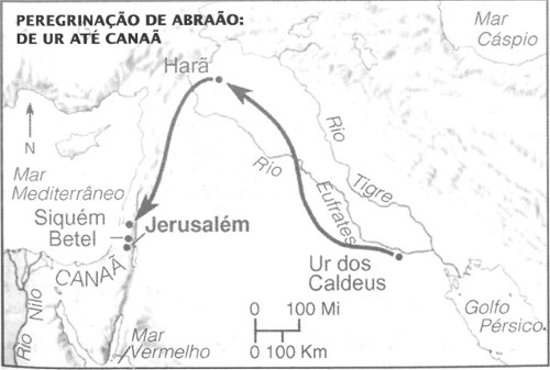
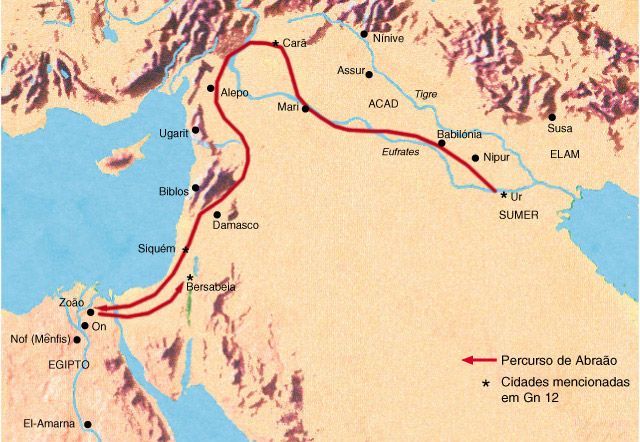
E tomou Terá a Abrão seu filho e a Ló filho de Harã, filho de seu filho e a Sarai sua nora, mulher de seu filho Abrão e saiu com eles de Ur dos Caldeus, para ir à terra de Canaã; e vieram até Harã, e habitaram ali.
11:32
E foram os dias de Terá duzentos e cinco anos; e morreu Terá em Harã.
Leitura em Paralelo
Traduza você mesmo lendo em paralelo as versões originais e a tradução literal.
| Verso | Original | Tradução Literal | Almeida Revisada e Atualizada | Inglês |
|---|---|---|---|---|
| 10 | אֵ֚לֶּה תּוֹלְדֹ֣ת שֵׁ֔ם שֵׁ֚ם בֶּן־ מְאַ֣ת שָׁנָ֔ה וַיּ֖וֹלֶד אֶת־ אַרְפַּכְשָׁ֑ד שְׁנָתַ֖יִם אַחַ֥ר הַמַּבּֽוּל׃ | Estas as gerações de Shem Shem velho cem anos e gerou a Arphaxad dois anos depois do dilúvio | São estas as gerações de Sem. Ora, ele era da idade de cem anos quando gerou a Arfaxade, dois anos depois do dilúvio; | These [are] the generations of Shem Shem old [was] a hundred years and fathered - Arphaxad two years after the flood |
| 11 | וַֽיְחִי־ שֵׁ֗ם אַֽחֲרֵי֙ הוֹלִיד֣וֹ אֶת־ אַרְפַּכְשָׁ֔ד חֲמֵ֥שׁ מֵא֖וֹת שָׁנָ֑ה וַיּ֥וֹלֶד בָּנִ֖ים וּבָנֽוֹת׃ ס | E viveu Shem após gerou a Arphaxad cinco cento anos e gerou filhos e filhas - | e, depois que gerou a Arfaxade, viveu Sem quinhentos anos; e gerou filhos e filhas. | And lived Shem after he fathered - Arphaxad five hundred years and fathered sons and daughers - |
| 12 | וְאַרְפַּכְשַׁ֣ד חַ֔י חָמֵ֥שׁ וּשְׁלֹשִׁ֖ים שָׁנָ֑ה וַיּ֖וֹלֶד אֶת־ שָֽׁלַח׃ | E Arfacsade viveu cinco e trinta anos e gerou a Shelá | Viveu Arfaxade trinta e cinco anos e gerou a Salá; | And Arphaxad lived five and thirty years and fathered - Shelah |
| 13 | וַֽיְחִ֣י אַרְפַּכְשַׁ֗ד אַֽחֲרֵי֙ הוֹלִיד֣וֹ אֶת־ שֶׁ֔לַח שָׁלֹ֣שׁ שָׁנִ֔ים וְאַרְבַּ֥ע מֵא֖וֹת שָׁנָ֑ה וַיּ֥וֹלֶד בָּנִ֖ים וּבָנֽוֹת׃ ס | E viveu Arfacsade após gerou a Selá três anos e quatro cento anos e gerou filhos e filhas - | e, depois que gerou a Salá, viveu Arfaxade quatrocentos e três anos; e gerou filhos e filhas. | And lived Arphaxad after he fathered - Shelah three years and four hundred years and fathered sons and daughers - |
| 14 | וְשֶׁ֥לַח חַ֖י שְׁלֹשִׁ֣ים שָׁנָ֑ה וַיּ֖וֹלֶד אֶת־ עֵֽבֶר׃ | E Shelah viveu trinta anos e gerou a Eber | Viveu Salá trinta anos e gerou a Héber; | And Shelah lived thirty years and fathered - Eber |
| 15 | וַֽיְחִי־ שֶׁ֗לַח אַחֲרֵי֙ הוֹלִיד֣וֹ אֶת־ עֵ֔בֶר שָׁלֹ֣שׁ שָׁנִ֔ים וְאַרְבַּ֥ע מֵא֖וֹת שָׁנָ֑ה וַיּ֥וֹלֶד בָּנִ֖ים וּבָנֽוֹת׃ ס | E viveu Shelah depois gerou a Eber três anos e quatro cento anos e gerou filhos e filhas - | e, depois que gerou a Héber, viveu Salá quatrocentos e três anos; e gerou filhos e filhas. | And lived Shelah after he fathered - Eber three years and four hundred years and fathered sons and daughers - |
| 16 | וַֽיְחִי־ עֵ֕בֶר אַרְבַּ֥ע וּשְׁלֹשִׁ֖ים שָׁנָ֑ה וַיּ֖וֹלֶד אֶת־ פָּֽלֶג׃ | E viveu Eber quatro e trinta anos e gerou a Peleg | Viveu Héber trinta e quatro anos e gerou a Pelegue; | And lived Eber four and thirty years and fathered - Peleg |
| 17 | וַֽיְחִי־ עֵ֗בֶר אַחֲרֵי֙ הוֹלִיד֣וֹ אֶת־ פֶּ֔לֶג שְׁלֹשִׁ֣ים שָׁנָ֔ה וְאַרְבַּ֥ע מֵא֖וֹת שָׁנָ֑ה וַיּ֥וֹלֶד בָּנִ֖ים וּבָנֽוֹת׃ ס | E viveu Eber após gerou a Peleg trinta anos e quatro cento anos e gerou filhos e filhas - | e, depois que gerou a Pelegue, viveu Héber quatrocentos e trinta anos; e gerou filhos e filhas. | And lived Eber after he fathered - Peleg thirty years and four hundred years and fathered sons and daughers - |
| 18 | וַֽיְחִי־ פֶ֖לֶג שְׁלֹשִׁ֣ים שָׁנָ֑ה וַיּ֖וֹלֶד אֶת־ רְעֽוּ׃ | E viveu Peleg trinta anos e gerou a Reu | Viveu Pelegue trinta anos e gerou a Reú; | And lived Peleg thirty years and fathered - Reu |
| 19 | וַֽיְחִי־ פֶ֗לֶג אַחֲרֵי֙ הוֹלִיד֣וֹ אֶת־ רְע֔וּ תֵּ֥שַׁע שָׁנִ֖ים וּמָאתַ֣יִם שָׁנָ֑ה וַיּ֥וֹלֶד בָּנִ֖ים וּבָנֽוֹת׃ ס | E viveu Peleg depois gerou a Reu nove anos e duzentos anos e gerou filhos e filhas - | e, depois que gerou a Reú, viveu Pelegue duzentos e nove anos; e gerou filhos e filhas. | And lived Peleg after he fathered - Reu nine years and two hundred years and fathered sons and daughers - |
| 20 | וַיְחִ֣י רְע֔וּ שְׁתַּ֥יִם וּשְׁלֹשִׁ֖ים שָׁנָ֑ה וַיּ֖וֹלֶד אֶת־ שְׂרֽוּג׃ | E viveu Reu dois e trinta anos e gerou a Serug | Viveu Reú trinta e dois anos e gerou a Serugue; | And lived Reu two and thirty years and fathered - Serug |
| 21 | וַיְחִ֣י רְע֗וּ אַחֲרֵי֙ הוֹלִיד֣וֹ אֶת־ שְׂר֔וּג שֶׁ֥בַע שָׁנִ֖ים וּמָאתַ֣יִם שָׁנָ֑ה וַיּ֥וֹלֶד בָּנִ֖ים וּבָנֽוֹת׃ ס | E viveu Reu após gerou a Serug sete anos e duzentos anos e gerou filhos e filhas - | e, depois que gerou a Serugue, viveu Reú duzentos e sete anos; e gerou filhos e filhas. | And lived Reu after he fathered - Serug seven years and two hundred years and fathered sons and daughers - |
| 22 | וַיְחִ֥י שְׂר֖וּג שְׁלֹשִׁ֣ים שָׁנָ֑ה וַיּ֖וֹלֶד אֶת־ נָחֽוֹר׃ | E viveu Serug trinta anos e gerou a Nahor | Viveu Serugue trinta anos e gerou a Naor; | And lived Serug thirty years and fathered - Nahor |
| 23 | וַיְחִ֣י שְׂר֗וּג אַחֲרֵ֛י הוֹלִיד֥וֹ אֶת־ נָח֖וֹר מָאתַ֣יִם שָׁנָ֑ה וַיּ֥וֹלֶד בָּנִ֖ים וּבָנֽוֹת׃ ס | E viveu Serug depois gerou a Nahor duzentos anos e gerou filhos e filhas - | e, depois que gerou a Naor, viveu Serugue duzentos anos; e gerou filhos e filhas. | And lived Serug after he fathered - Nahor two hundred years and fathered sons and daughers - |
| 24 | וַיְחִ֣י נָח֔וֹר תֵּ֥שַׁע וְעֶשְׂרִ֖ים שָׁנָ֑ה וַיּ֖וֹלֶד אֶת־ תָּֽרַח׃ | E viveu Nahor nove e vinte anos e gerou a Terá | Viveu Naor vinte e nove anos e gerou a Tera; | And lived Nahor nine and twenty years and fathered - Terah |
| 25 | וַיְחִ֣י נָח֗וֹר אַחֲרֵי֙ הוֹלִיד֣וֹ אֶת־ תֶּ֔רַח תְּשַֽׁע־ עֶשְׂרֵ֥ה שָׁנָ֖ה וּמְאַ֣ת שָׁנָ֑ה וַיּ֥וֹלֶד בָּנִ֖ים וּבָנֽוֹת׃ ס | E viveu Nahor depois gerou a Terá nove e dez anos e cem anos e gerou filhos e filhas - | e, depois que gerou a Tera, viveu Naor cento e dezenove anos; e gerou filhos e filhas. | And lived Nahor after he fathered - Terah nine and ten years and a hundred years and fathered sons and daughers - |
| 26 | וַֽיְחִי־ תֶ֖רַח שִׁבְעִ֣ים שָׁנָ֑ה וַיּ֙וֹלֶד֙ אֶת־ אַבְרָ֔ם אֶת־ נָח֖וֹר וְאֶת־ הָרָֽן׃ | E viveu Terá setenta anos e gerou a Abrão a Naor e Harã | Viveu Tera setenta anos e gerou a Abrão, a Naor e a Harã. | And lived Terah seventy years and fathered - Abram - Nahor and Haran |
| 27 | וְאֵ֙לֶּה֙ תּוֹלְדֹ֣ת תֶּ֔רַח תֶּ֚רַח הוֹלִ֣יד אֶת־ אַבְרָ֔ם אֶת־ נָח֖וֹר וְאֶת־ הָרָ֑ן וְהָרָ֖ן הוֹלִ֥יד אֶת־ לֽוֹט׃ | Agora estas as gerações de Terá Terá gerou a Abrão a Naor e Harã e Harã gerou a Ló | São estas as gerações de Tera. Tera gerou a Abrão, a Naor e a Harã; e Harã gerou a Ló. | Now these [are] the generations of Terah Terah fathered - Abram - Nahor and Haran and Haran fathered - Lot |
| 28 | וַיָּ֣מָת הָרָ֔ן עַל־ פְּנֵ֖י תֶּ֣רַח אָבִ֑יו בְּאֶ֥רֶץ מוֹלַדְתּ֖וֹ בְּא֥וּר כַּשְׂדִּֽים׃ | E morreu Haran perante o rosto de Terá seu pai na terra do seu nascimento em Ur dos caldeus | Morreu Harã na terra de seu nascimento, em Ur dos caldeus, estando Tera, seu pai, ainda vivo. | And died Haran before the face of Terah his father in the land of his birth in Ur of the Chaldeans |
| 29 | וַיִּקַּ֨ח אַבְרָ֧ם וְנָח֛וֹר לָהֶ֖ם נָשִׁ֑ים שֵׁ֤ם אֵֽשֶׁת־ אַבְרָם֙ שָׂרָ֔י וְשֵׁ֤ם אֵֽשֶׁת־ נָחוֹר֙ מִלְכָּ֔ה בַּת־ הָרָ֥ן אֲבִֽי־ מִלְכָּ֖ה וַֽאֲבִ֥י יִסְכָּֽה׃ | E tomou Abrão e Naor para eles esposas o nome da esposa de Abrão Sarai e o nome da esposa de Naor Milca a filha de Harã o pai de Milca e o pai de Iscá | Abrão e Naor tomaram para si mulheres; a de Abrão chamava-se Sarai, a de Naor, Milca, filha de Harã, que foi pai de Milca e de Iscá. | And took Abram and Nahor to them wives the name of the wife of Abram [was] Sarai and the name of the wife of Nahor [was] Milcah the daughter of Haran the father of Milcah and the father of Iscah |
| 30 | וַתְּהִ֥י שָׂרַ֖י עֲקָרָ֑ה אֵ֥ין לָ֖הּ וָלָֽד׃ | Agora era Sarai estéril não para ela uma criança | Sarai era estéril, não tinha filhos. | Now was Sarai was barren not to her [was] a child |
| 31 | וַיִּקַּ֨ח תֶּ֜רַח אֶת־ אַבְרָ֣ם בְּנ֗וֹ וְאֶת־ ל֤וֹט בֶּן־ הָרָן֙ בֶּן־ בְּנ֔וֹ וְאֵת֙ שָׂרַ֣י כַּלָּת֔וֹ אֵ֖שֶׁת אַבְרָ֣ם בְּנ֑וֹ וַיֵּצְא֨וּ אִתָּ֜ם מֵא֣וּר כַּשְׂדִּ֗ים לָלֶ֙כֶת֙ אַ֣רְצָה כְּנַ֔עַן וַיָּבֹ֥אוּ עַד־ חָרָ֖ן וַיֵּ֥שְׁבוּ שָֽׁם׃ | E tomou Terá seu filho Abrão e seu filho e Ló o filho de Harã do seu filho o filho e Sarai sua nora esposa de Abrão seu filho e saíram com eles de Ur dos caldeus para entrarem na terra de Canaã e chegaram até Haran e habitaram ali | Tomou Tera a Abrão, seu filho, e a Ló, filho de Harã, filho de seu filho, e a Sarai, sua nora, mulher de seu filho Abrão, e saiu com eles de Ur dos caldeus, para ir à terra de Canaã; foram até Harã, onde ficaram. | And took Terah - Abram his son and Lot the son of Haran of his son the son and Sarai his daughter-in-law wife of Abram his son and they went forth with them from Ur of the Chaldeans in order to enter into the land of Canaan and they came to Haran and dwelled there |
| 32 | וַיִּהְי֣וּ יְמֵי־ תֶ֔רַח חָמֵ֥שׁ שָׁנִ֖ים וּמָאתַ֣יִם שָׁנָ֑ה וַיָּ֥מָת תֶּ֖רַח בְּחָרָֽן׃ ס | E foram os dias de Terá cinco anos e duzentos anos e morreu Terá em Harã - | E, havendo Tera vivido duzentos e cinco anos ao todo, morreu em Harã. | And were the days of Terah five years and two hundred years and died Terah in Haran - |
Pesquisando por Gênesis 11:10-32 nas obras literárias.
Procurar Vídeos Sobre Gênesis 11:10
Referências em Livro Espírita
Não foram encontradas referências para Gênesis 11:10-32 em Livro Espírita.
Referências em Outras Obras
Não foram encontradas referências para Gênesis 11:10-32 em Outras Obras.
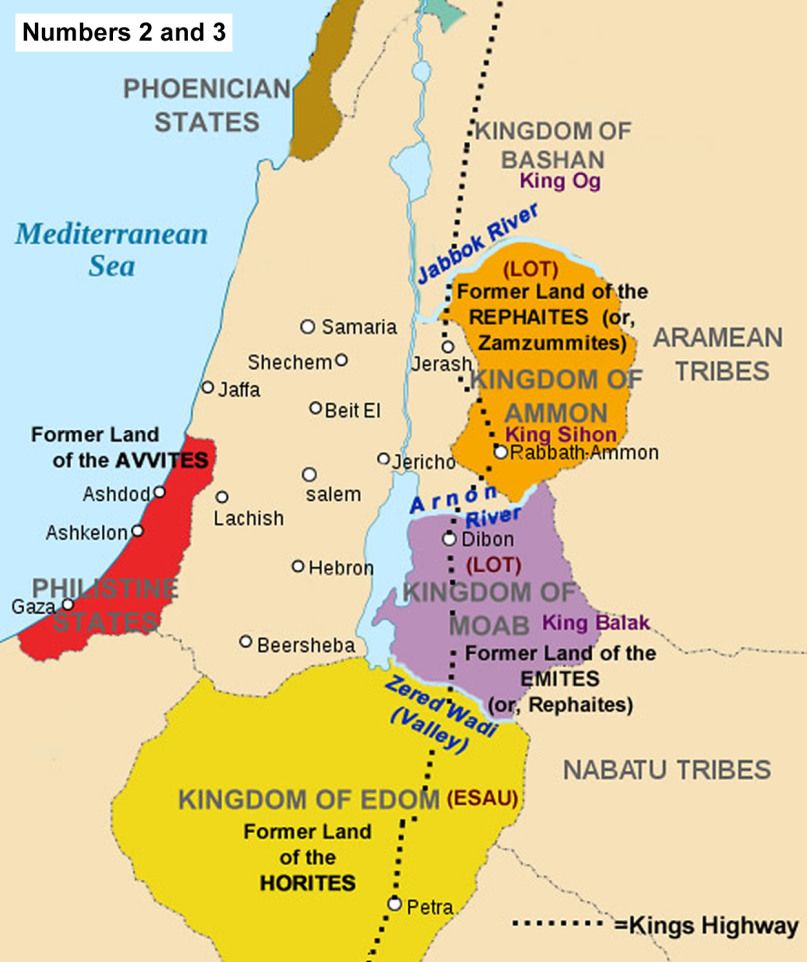
Locais
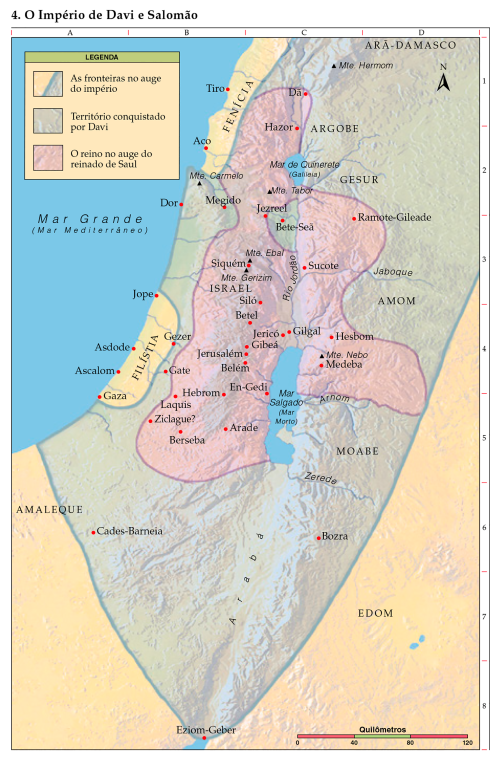
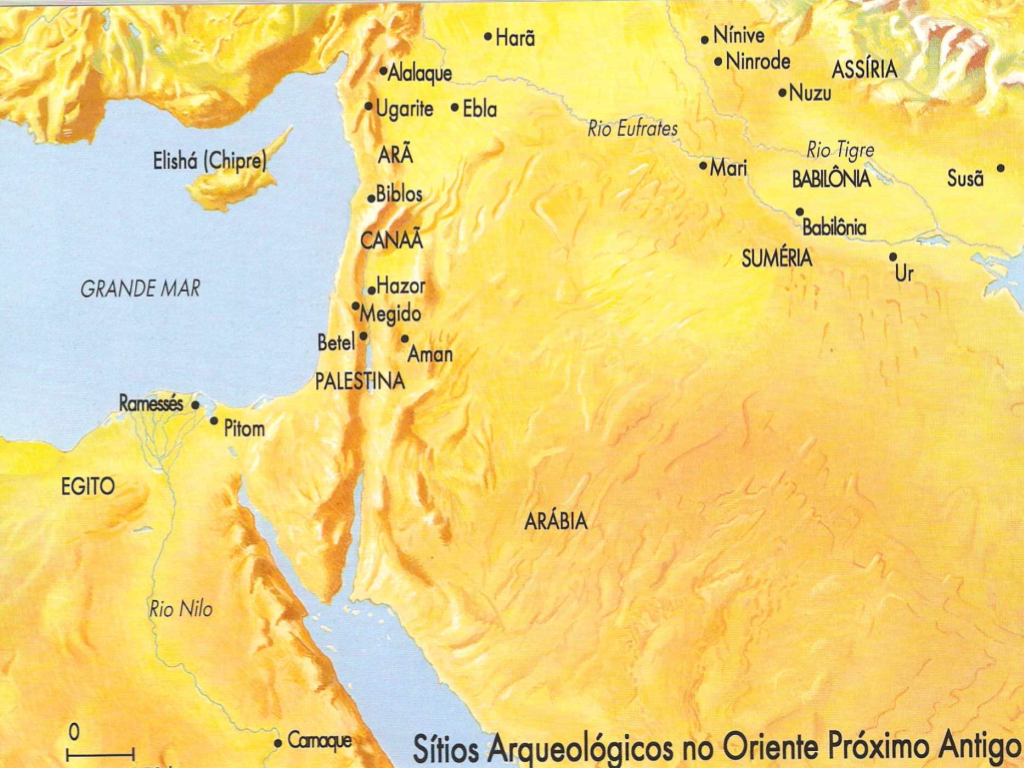
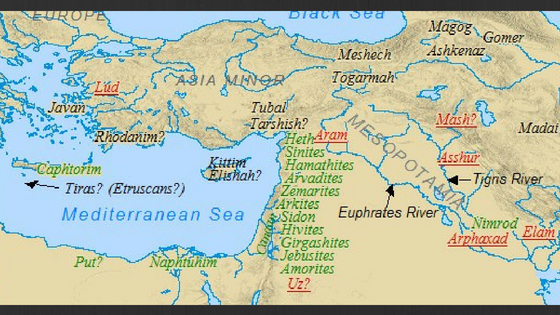
ARÃ
Atualmente: SÍRIAArã; Arã-Naarã; Arã-Damasco; Arã-Zobá: I Samuel

CANAÃ
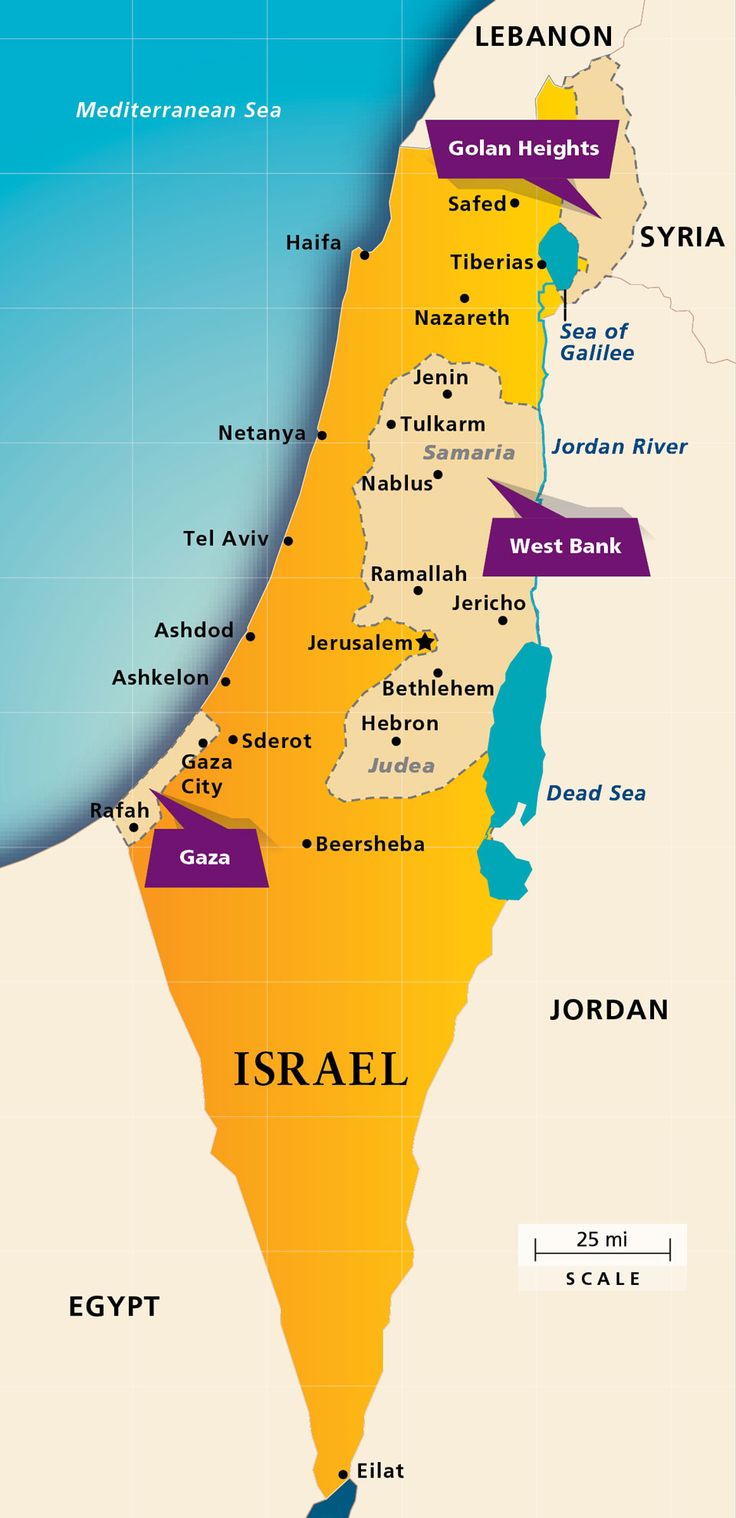
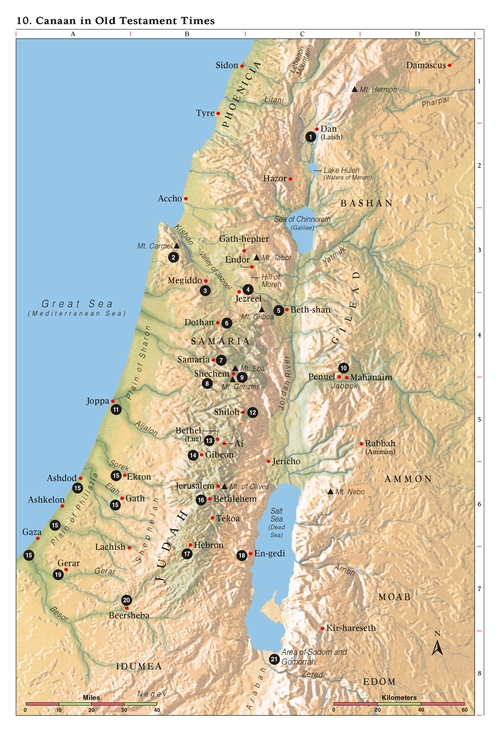
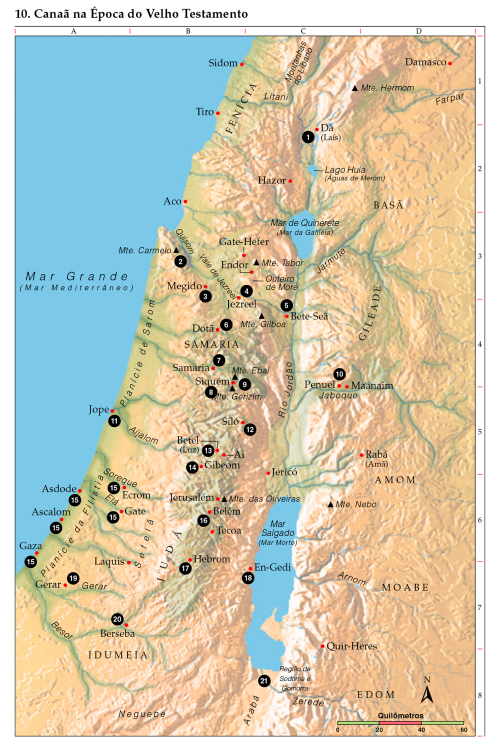
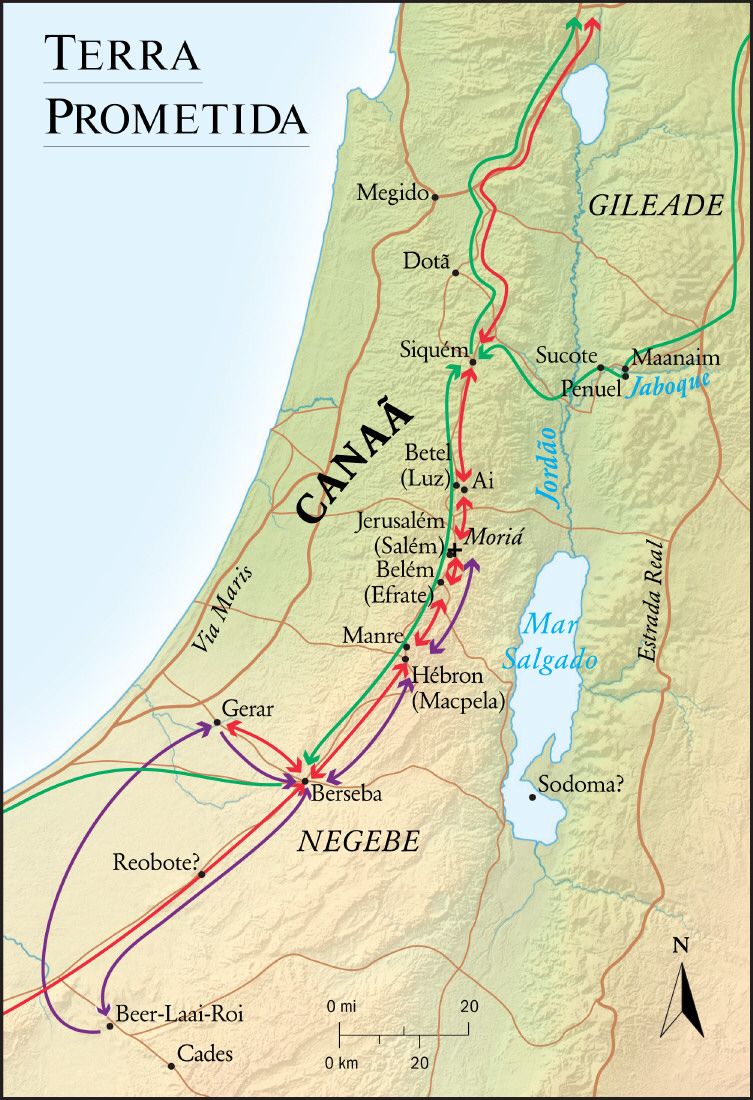
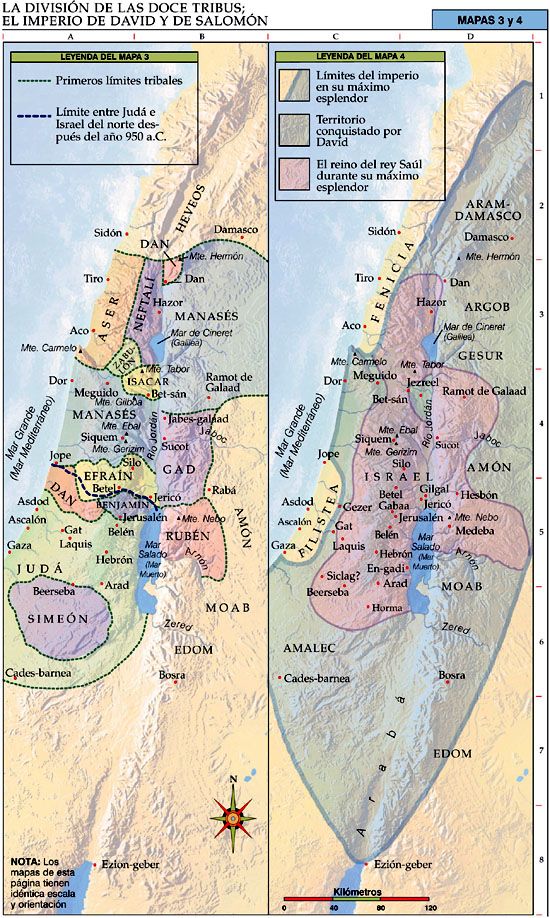
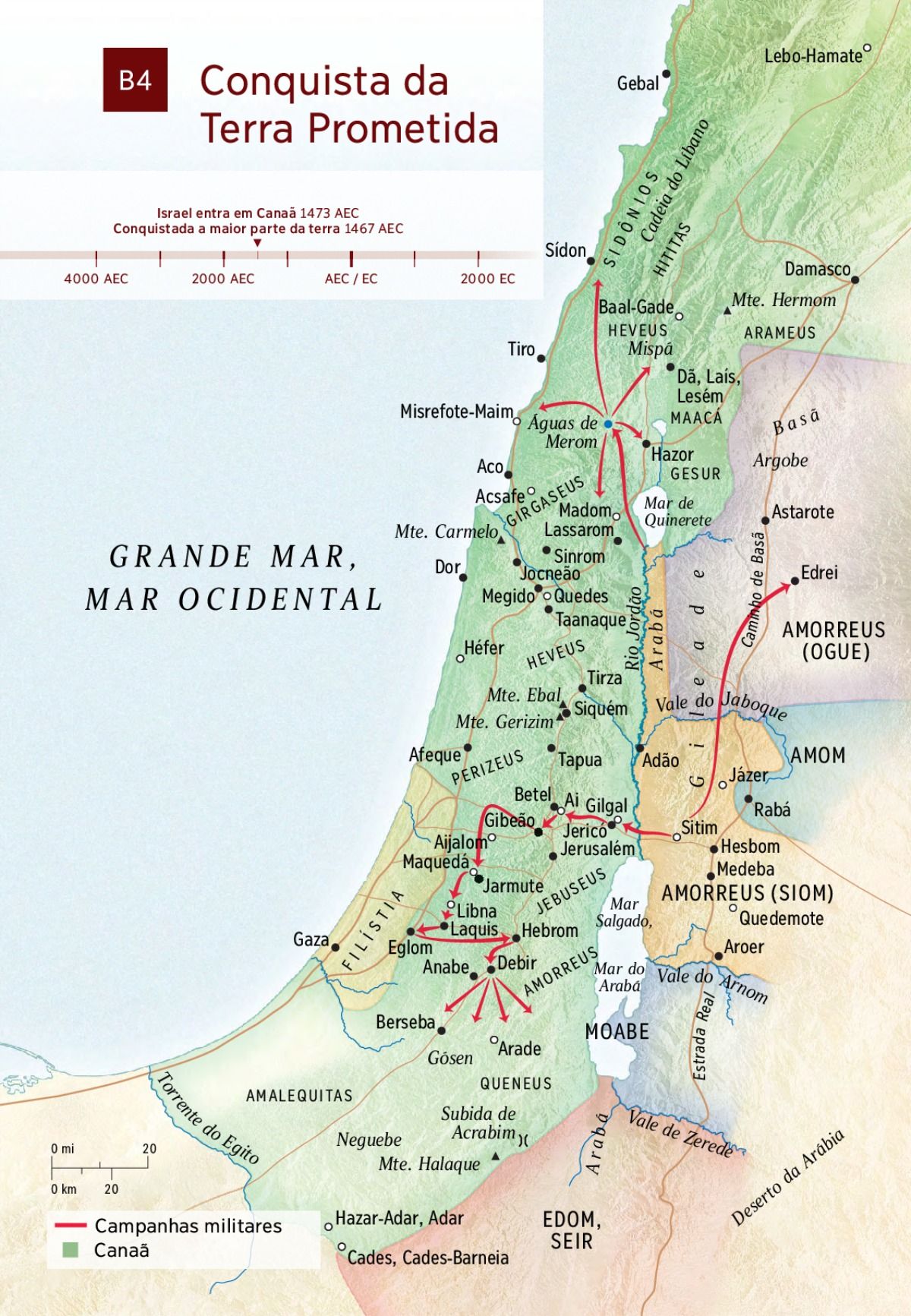
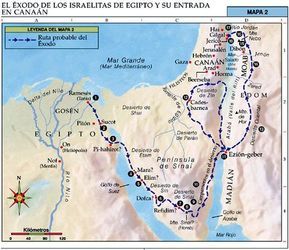
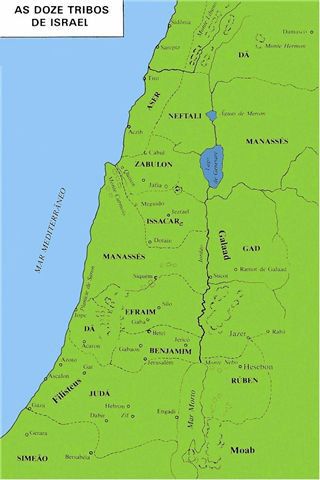
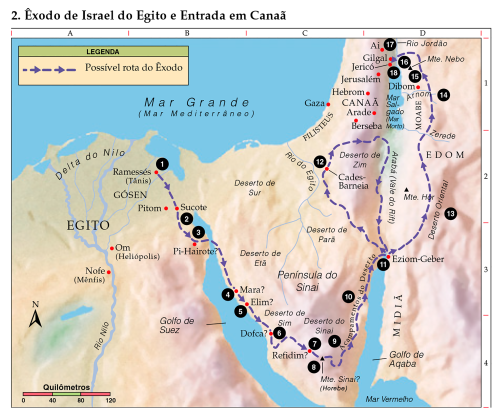
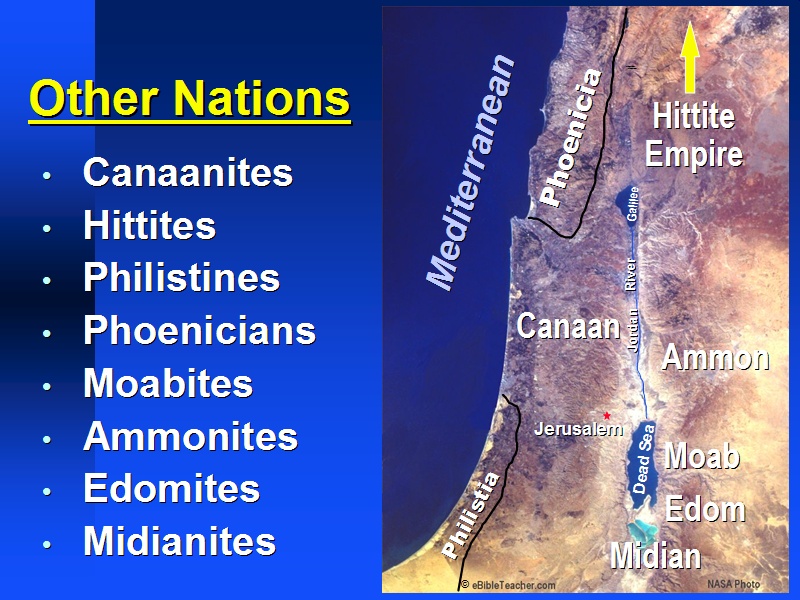
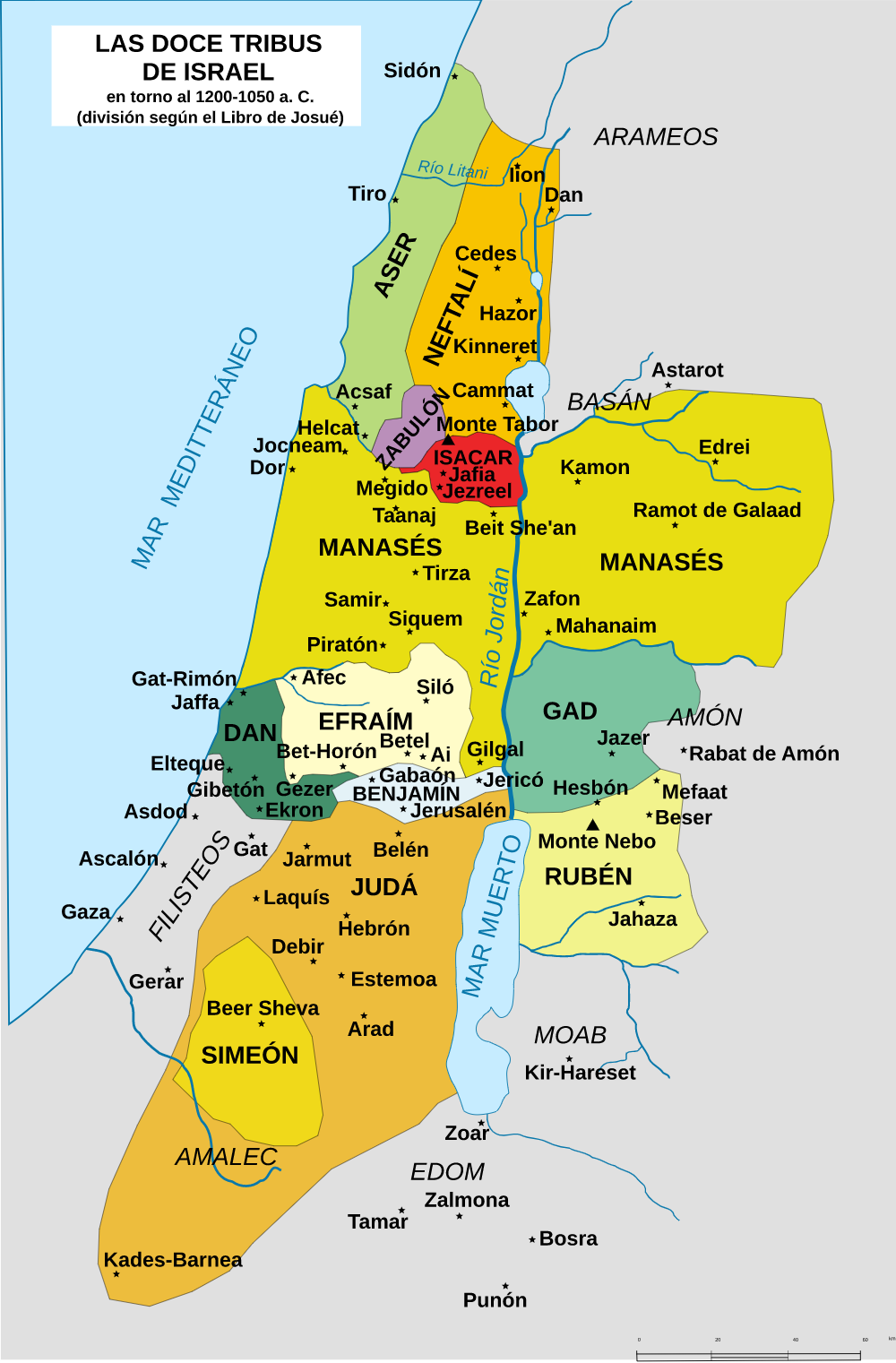
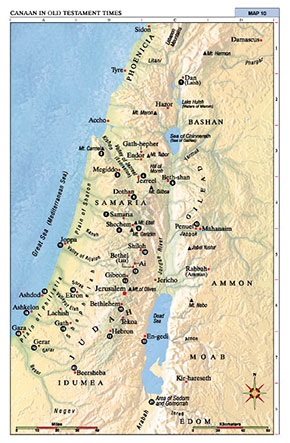
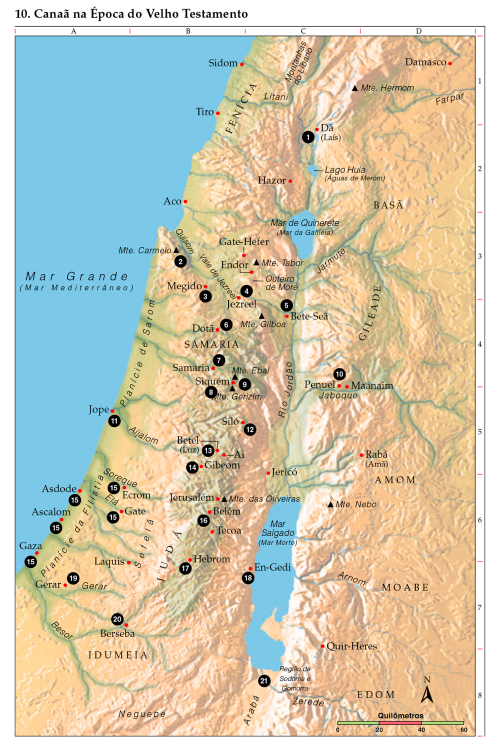
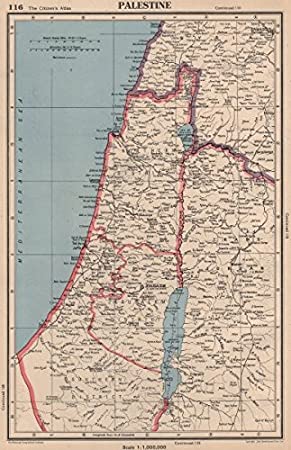
Atualmente: ISRAELDesde os tempos remotos a Palestina foi chamada de terra de Canaã e seus habitantes de cananeus. Quando Abrão chegou em Canaã por volta do ano 2000 a.C., era mais um semita que vinha somar-se à população camita da terra de Canaã. A região era ocupada por diversas tribos conhecidas sob o nome geral de cananeus (Gênesis
Local prometido por Deus a Abraão, também conhecido como Terra Santa.


HARÃ
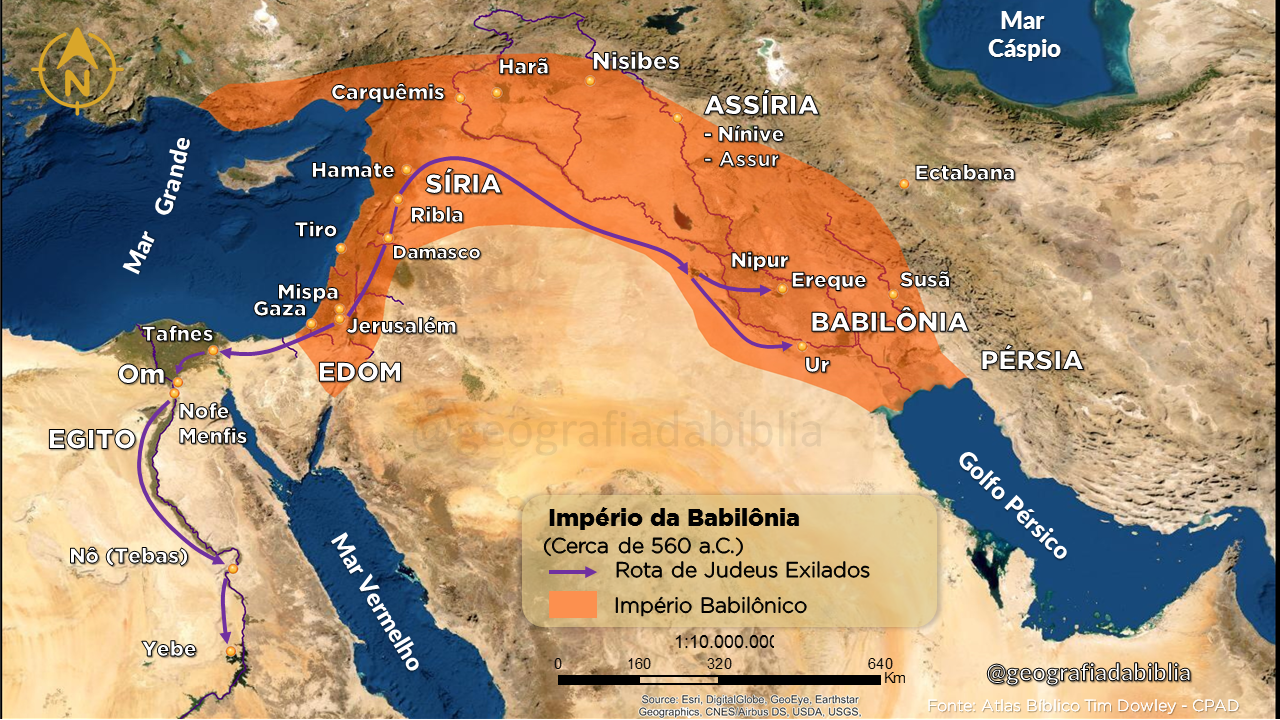
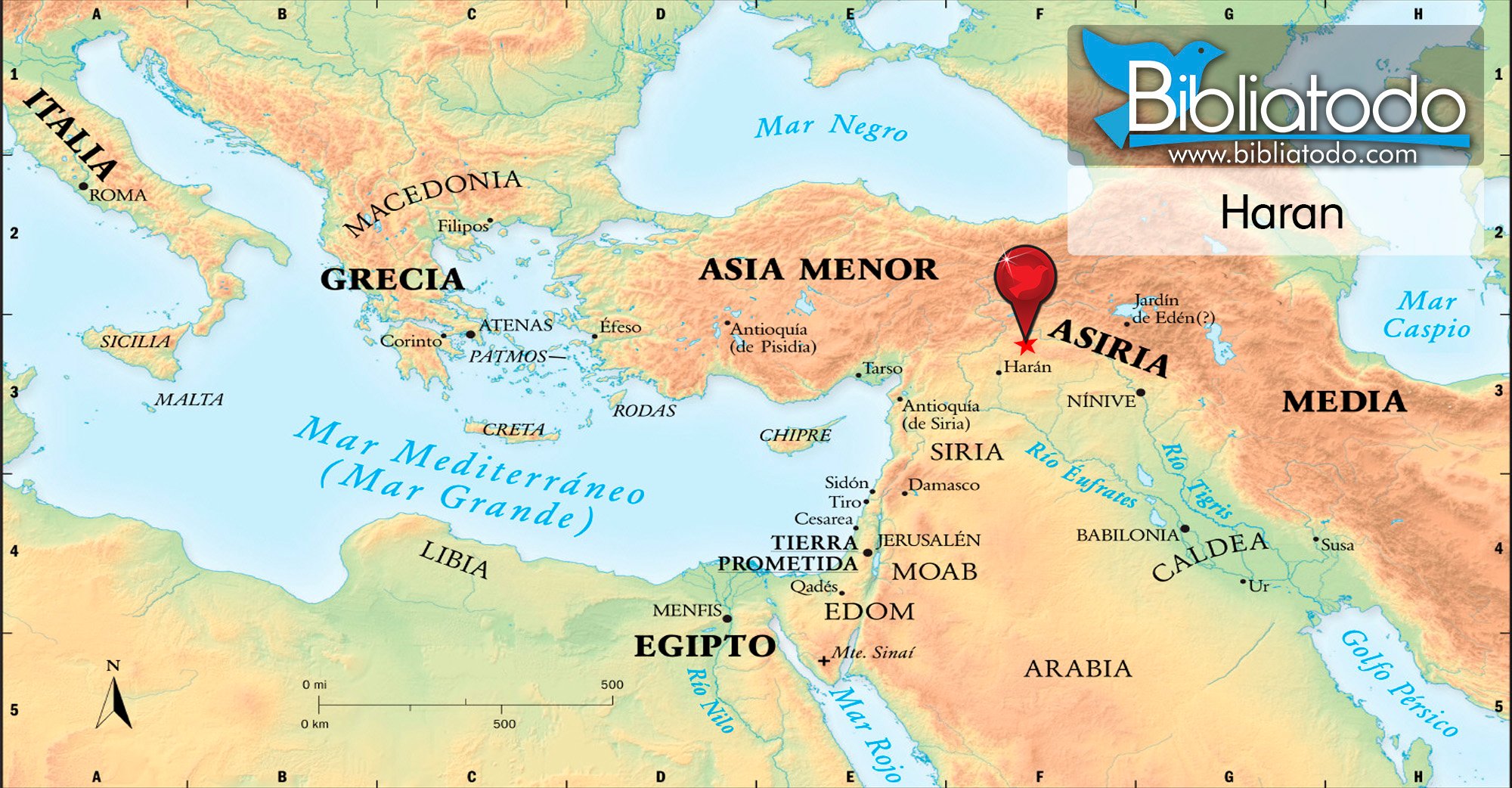
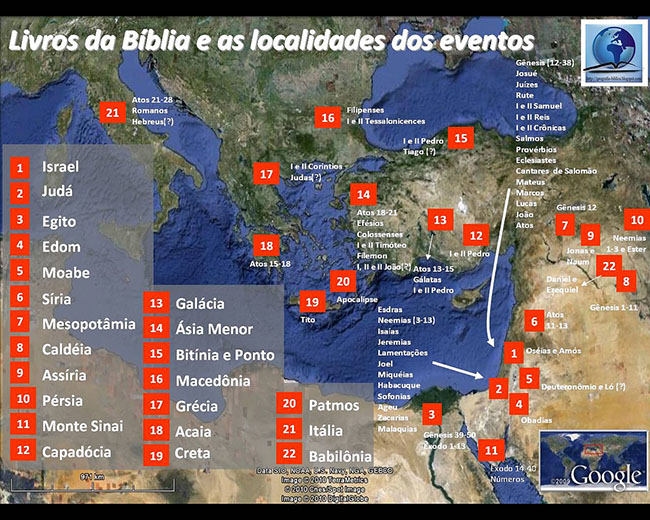
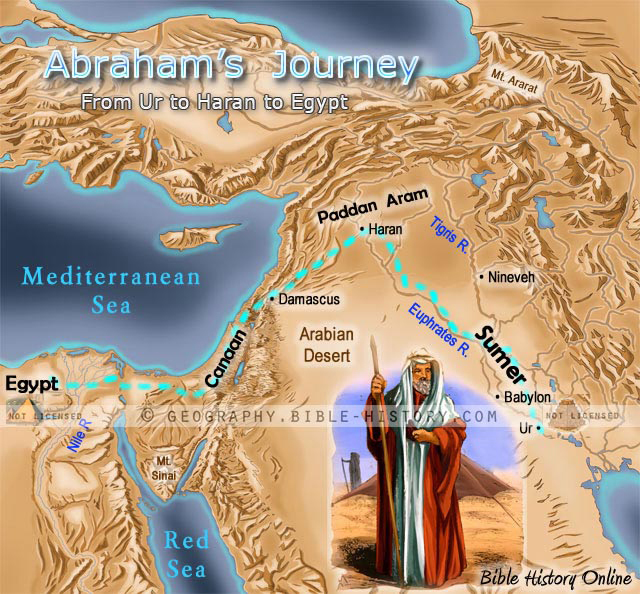
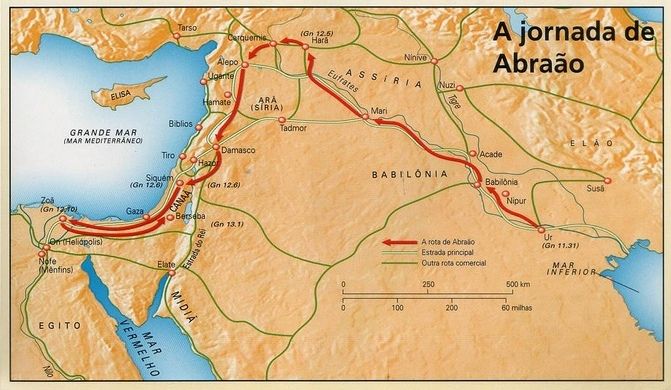
Clique aqui e abra o mapa no Google (Latitude:36.85, Longitude:39.217)Atualmente: SÍRIA
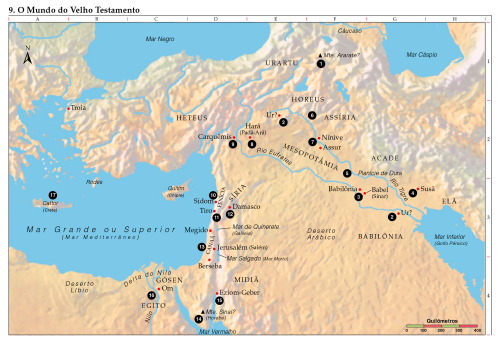
Centro comercial e militar. Abrãao morou nesta cidade antes da morte de Terá. Gênesis
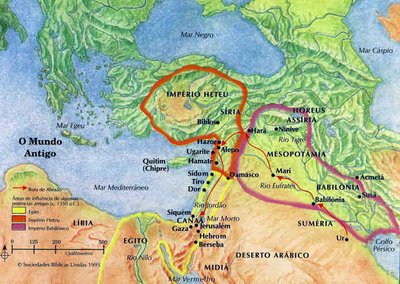
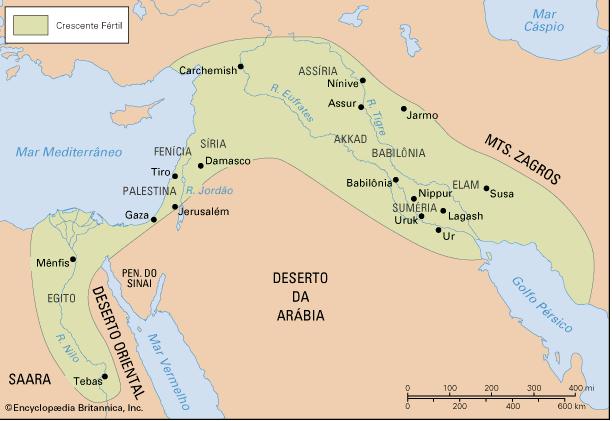
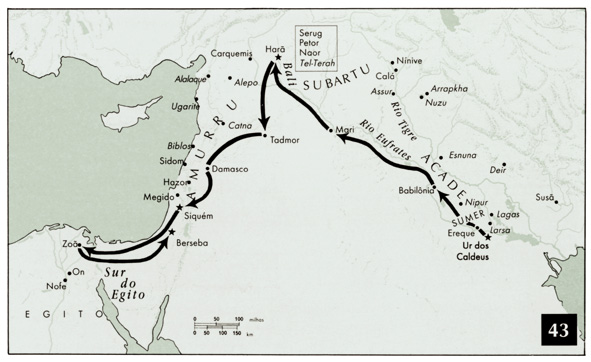
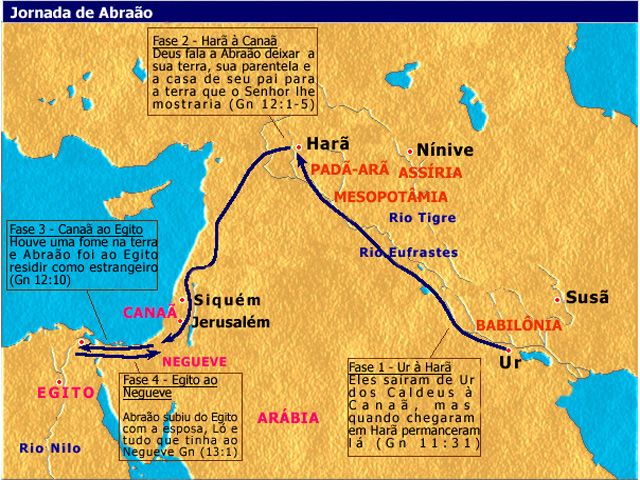
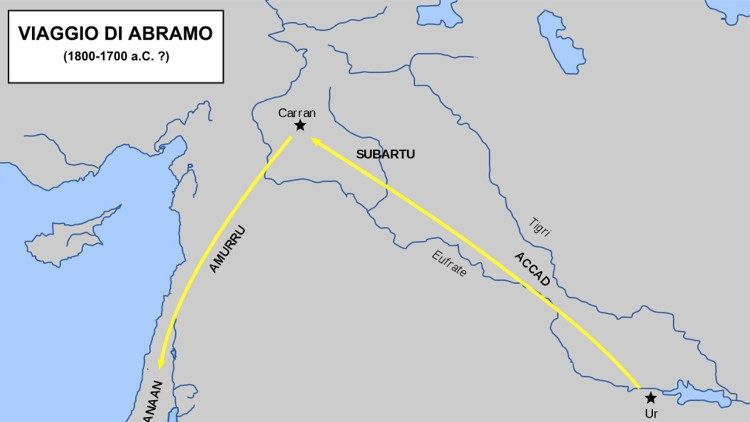
Tera, Abraão, Ló e Sara saíram de Ur e, seguindo a crescente fértil do Rio Eufrates, dirigiram-se para a terra de Canaã. Durante a jornada, eles permaneceram na cidade de Harã por algum tempo (Gênesis




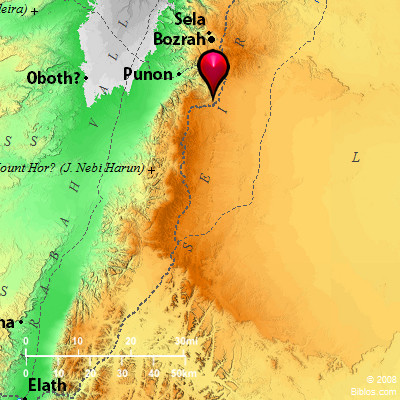
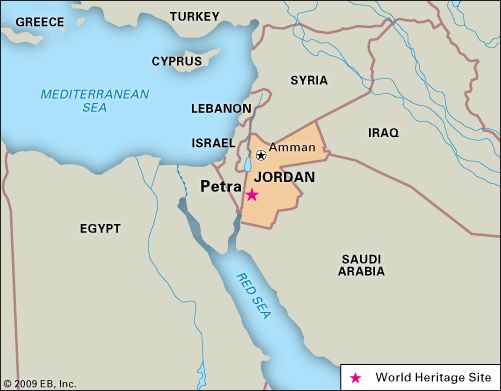
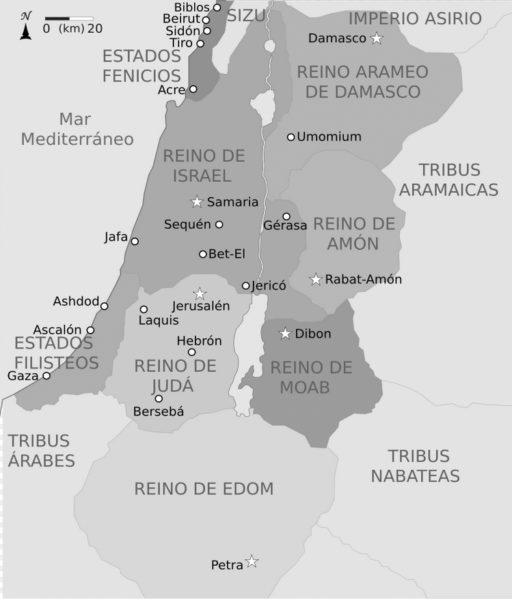
SELÁ
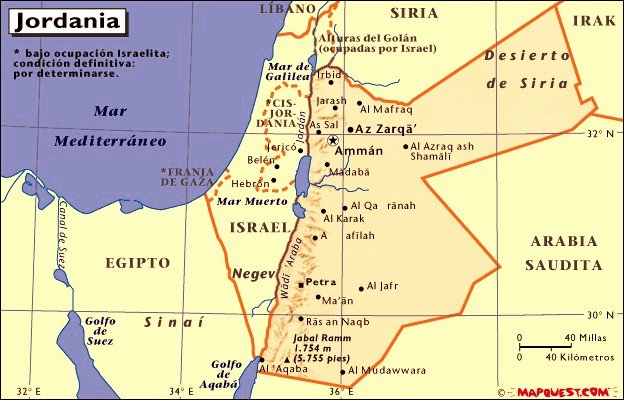
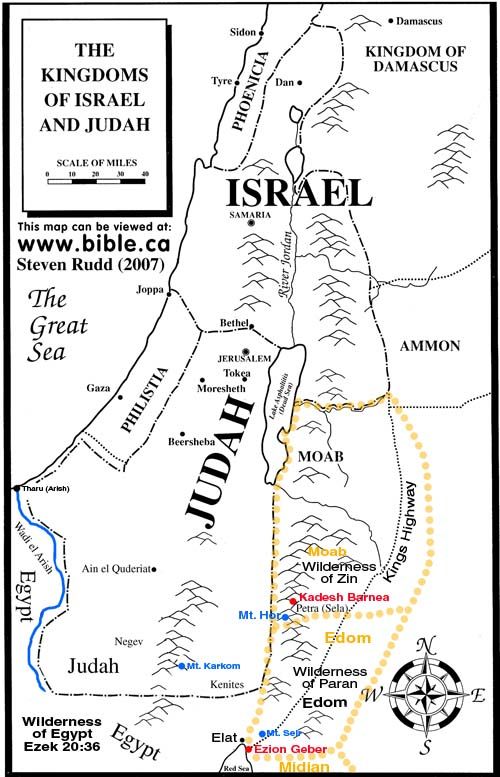
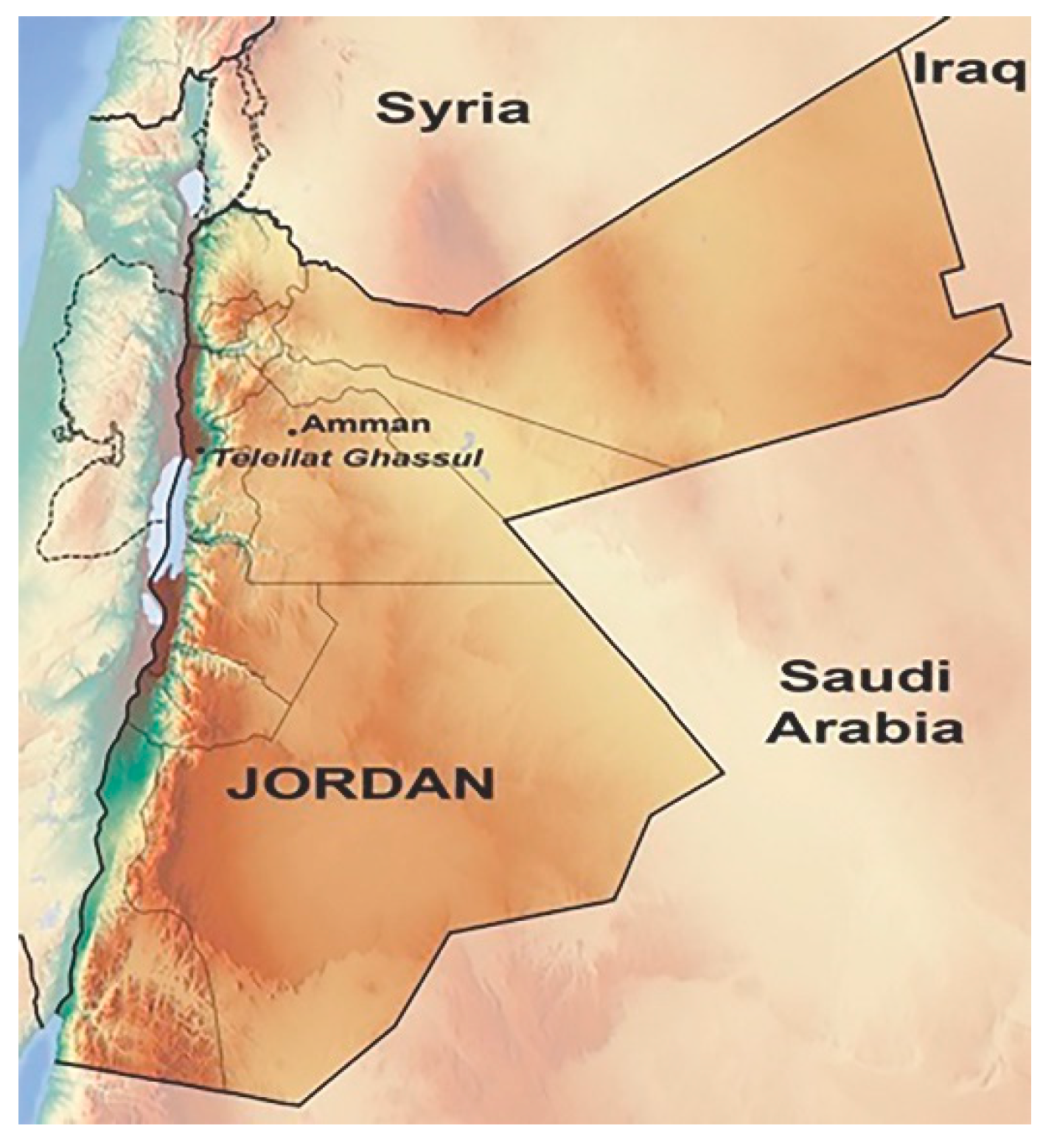
Atualmente: JORDÂNIASelá – Ver Petra
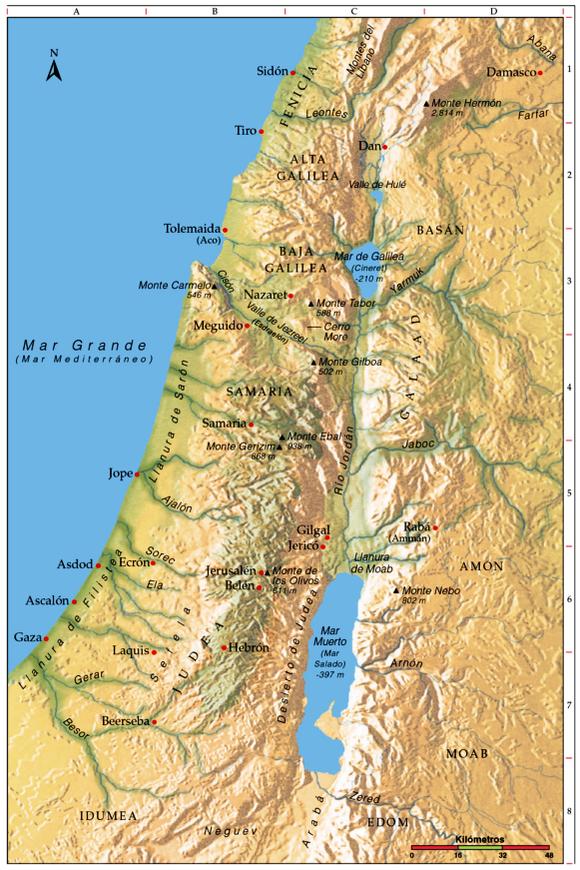
UR
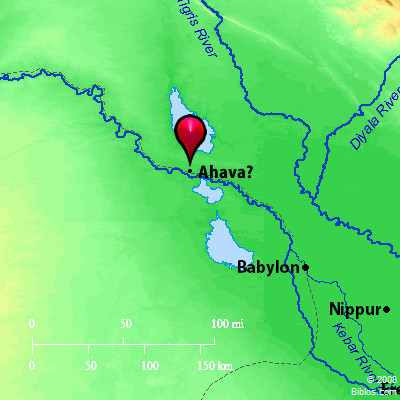
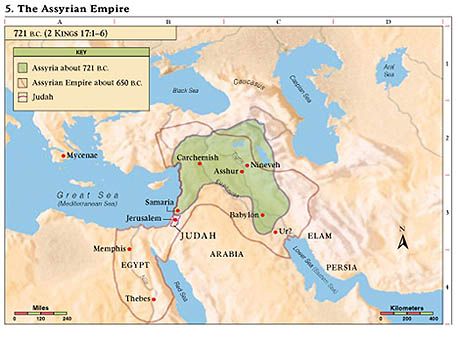
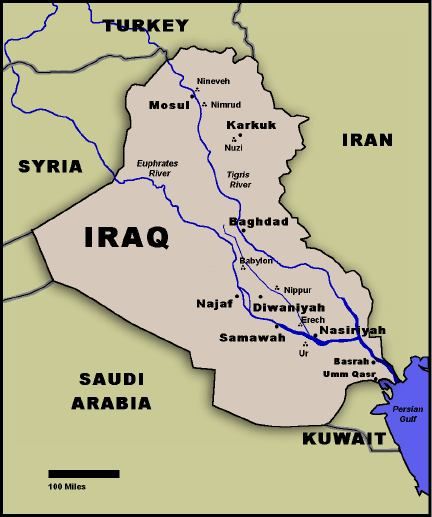
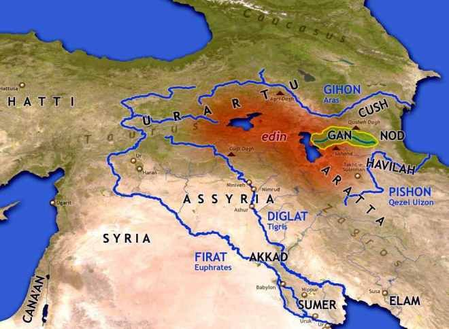
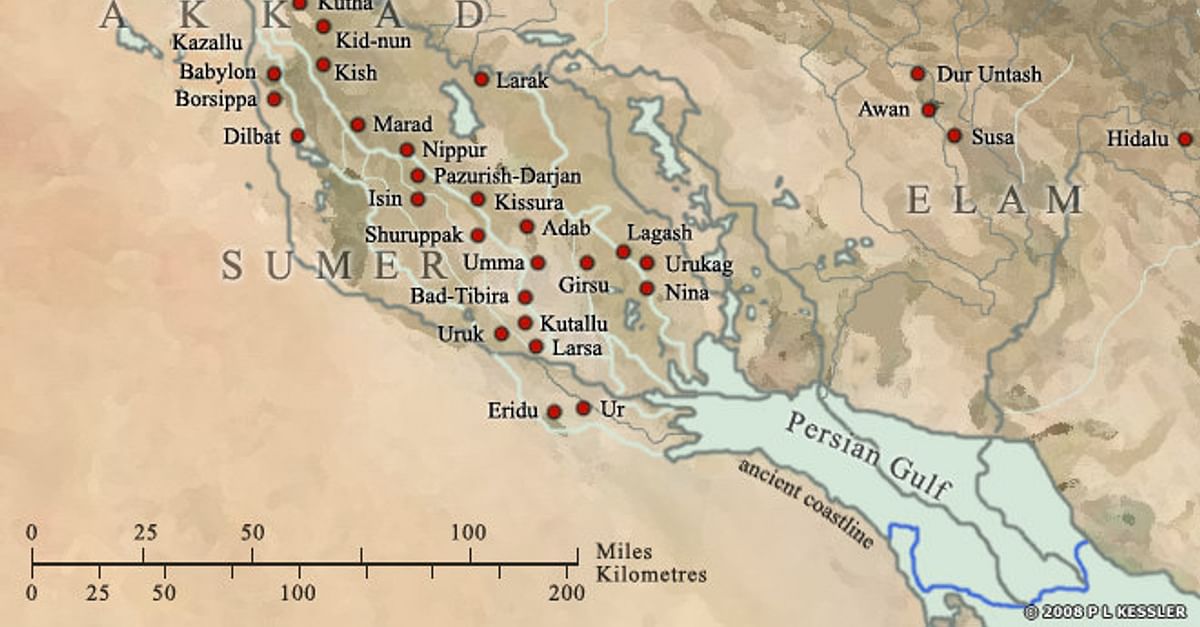
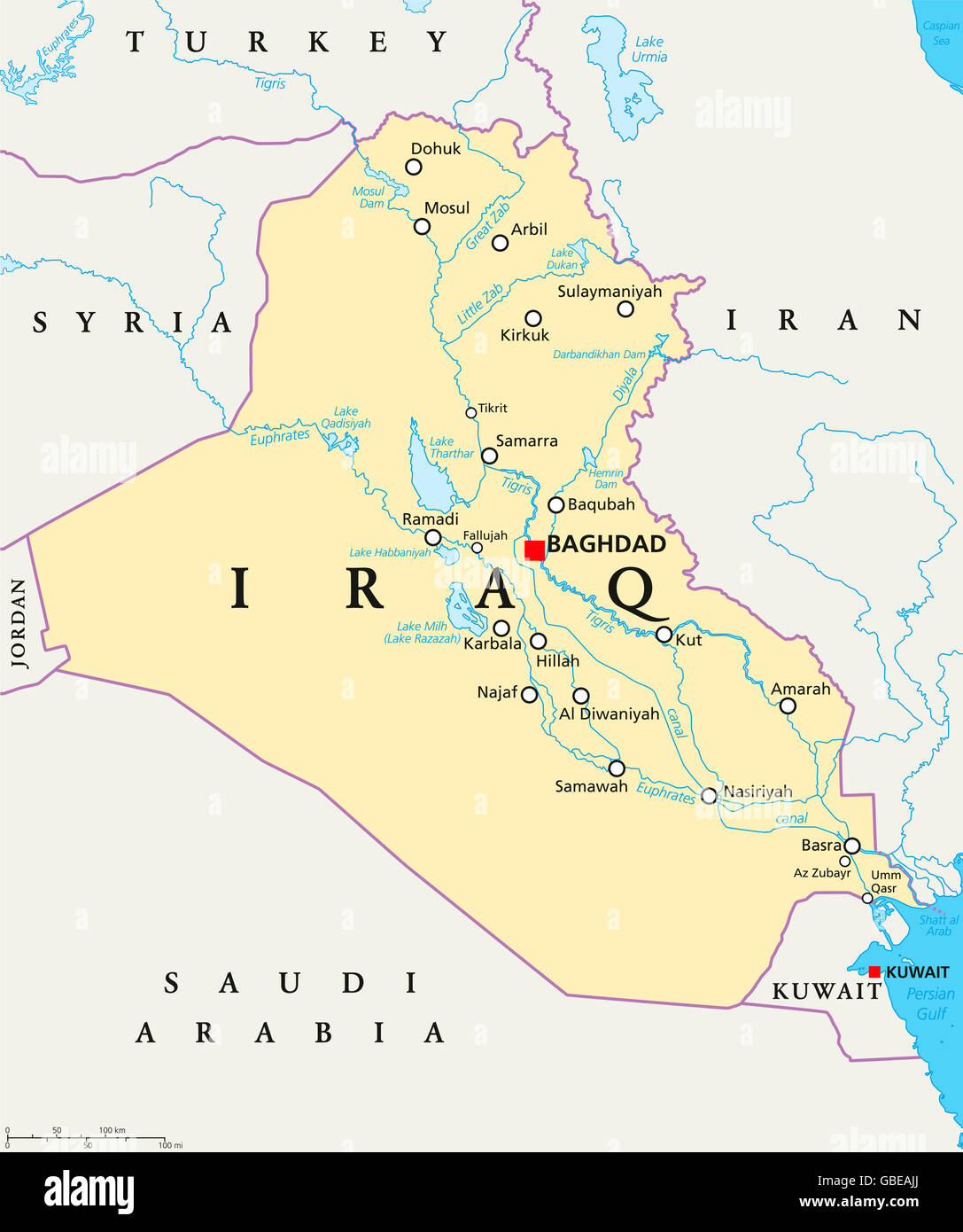
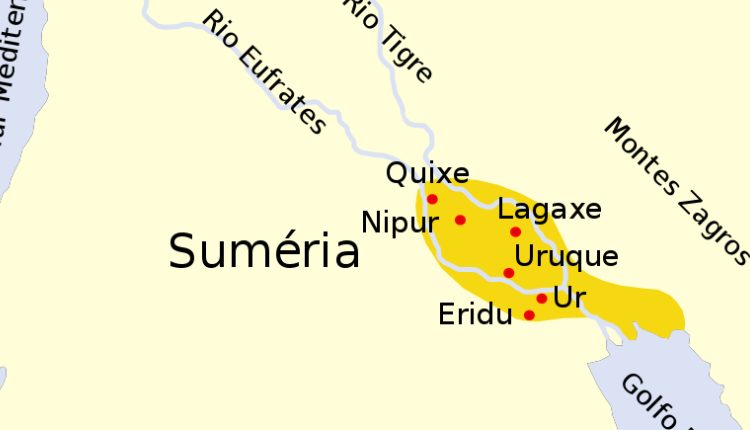
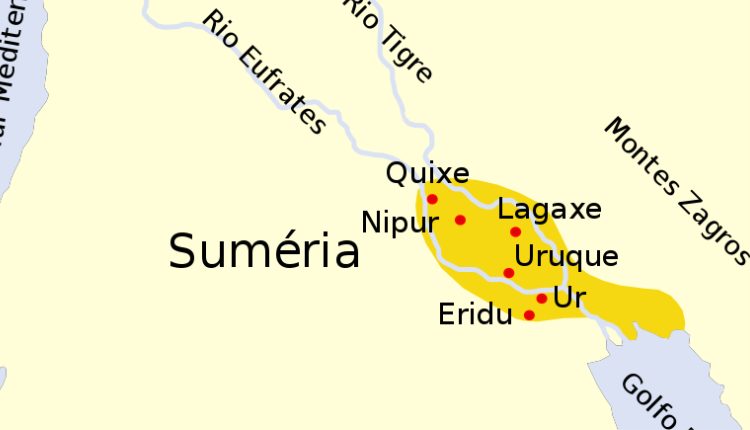
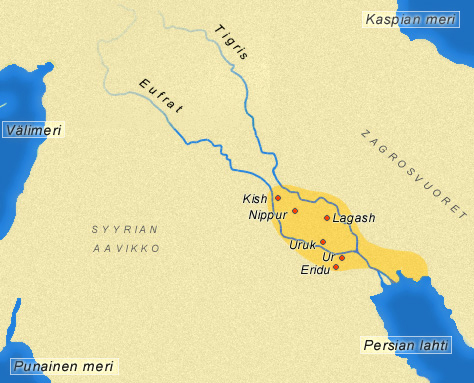
Atualmente: IRAQUECidade de origem de Abraão, localizada na baixa Mesopotâmia. Alguns autores calcularam uma população de 360.000 habitantes enquanto outros acham que poderia ter cerca de 200.000 habitantes. Estas hipóteses explicam-se pela extrema fertilidade proporcionada pelos Rios Tigre e Eufrates. Encontrado um documento de aproximadamente 1700 a.C., que os especialistas chamaram de almanaque do lavrador. Descreve os trabalhos agrícolas, que começavam logo depois das chuvas de outubro-novembro. Os textos da III Dinastia de Ur mencionam escultores, ourives, cortadores de pedra, carpinteiros, forjadores de metais, curtidores, alfaiates, calafates. Havia grandes oficinas pertencentes aos templos e palácios. Por volta de 2900 a.C., trabalhavam cerca de 6:400 artesãos têxtis. O comércio entre as cidades da Baixa Mesopotâmia era feito através da navegação pelos rios e canais.
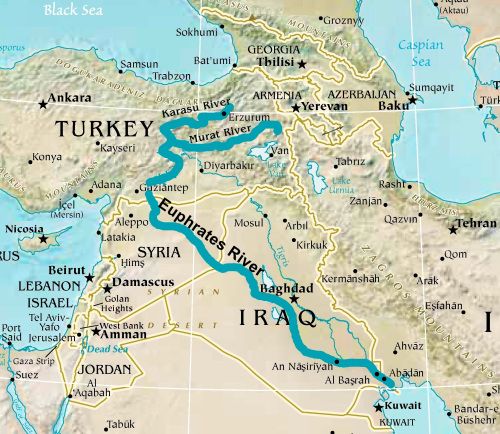
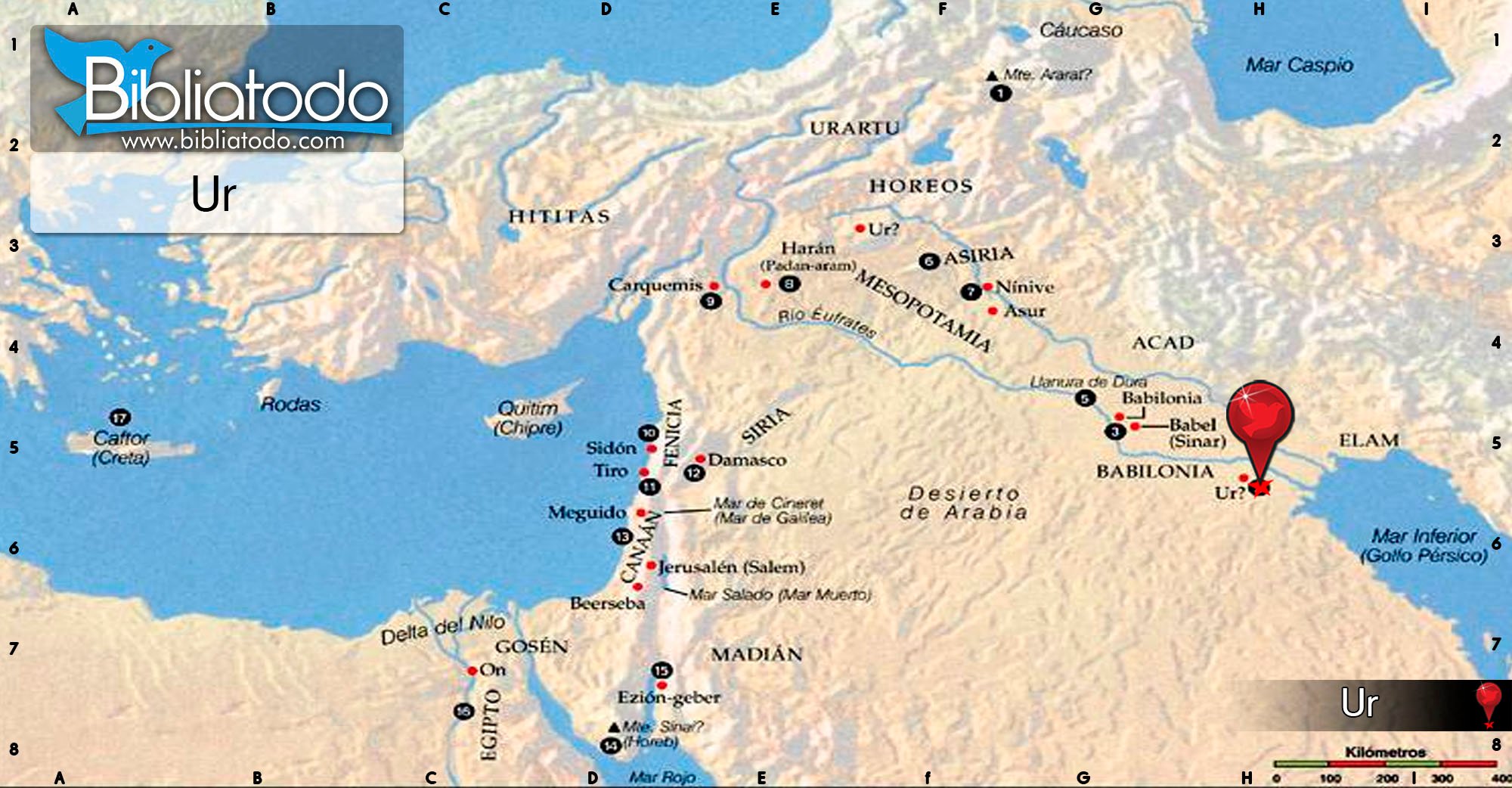
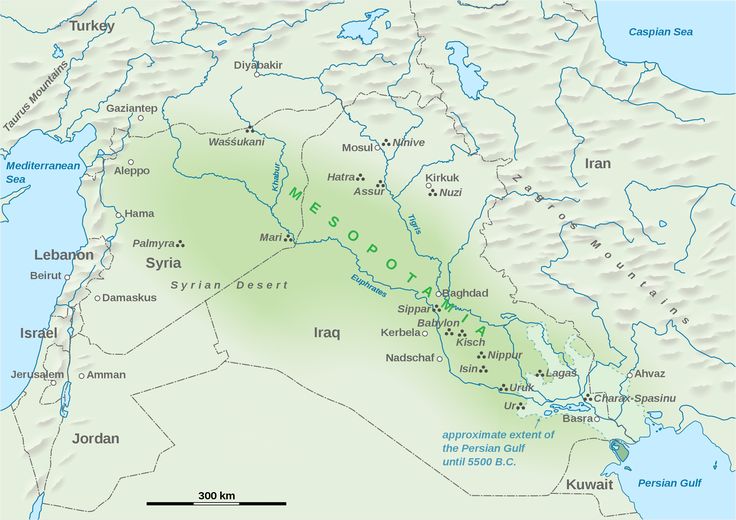
UR DOS CALDEUS
Clique aqui e abra o mapa no Google (Latitude:30.95, Longitude:46.1)Abraão, descendente de Sem e pai da nação hebraica, nasceu nessa grande cidade (Gênesis
Comentários
Beacon
Comentário Bíblico de Beacon - Interpretação abrangente da Bíblia por 40 teólogos evangélicos conservadoresChamplin
Antigo e Novo Testamento interpretado versículo por versículo por Russell Norman Champlin é cristão de cunho protestanteGenebra
Comentários da Bíblia de Estudos de Genebra pela Sociedade Bíblica do Brasil para versão Almeida Revista e Atualizada (ARA)Matthew Henry
Comentário Bíblico de Matthew Henry, um pastor presbiteriano e comentarista bíblico inglês.Wesley
Comentário bíblico John Wesley - Metodista - Clérigo AnglicanoRussell Shedd
Comentários da Bíblia por Russell Shedd, teólogo evangélico e missionário da Missão Batista Conservadora.NVI F. F. Bruce
Comentário Bíblico da versão NVI por Frederick Fyvie Bruce, um dos fundadores da moderna compreensão evangélica da BíbliaDúvidas
Manual Popular de Dúvidas, Enigmas e Contradições da Bíblia, por Norman Geisler e Thomas HoweFrancis Davidson
O Novo Comentário da Bíblia, por Francis Davidson
Apêndices
Gênesis e as viagens dos patriarcas
Conquista da Terra Prometida
Mapas Históricos
O DILÚVIO
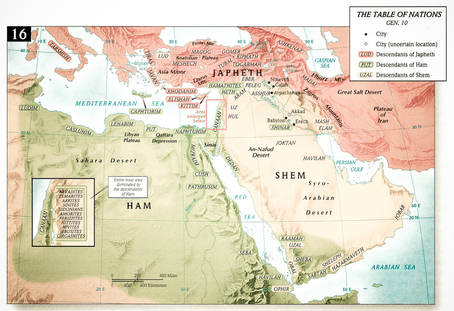
A TABELA DAS NAÇÕES
Mesopotâmia
do quarto milênio ao século IX a.C.JARDIM DO ÉDEN
As condições climáticas de Canaã
A Agricultura de Canaã
PALESTINA - TERMINOLOGIA HISTÓRICA
HIDROLOGIA, SOLO E CHUVAS NA PALESTINA
OS PATRIARCAS: AS EVIDÊNCIAS BÍBLICAS
Início do segundo milênio a.C.Evidências da conquista de Canaã
final do século XV ou XIII a.C.AS MIGRAÇÕES DOS PATRIARCAS
A geografia de Canaã
Esta é uma área reservada para apresentar os materiais enviados pelos colaboradores.
Colaboradores
Contribua conosco. Envie seus estudos sobre Gênesis 11:10-32.
Podem ser texto, planilha, áudio, apresentação ou vídeo.
Enviar meu Material
Referências Bíblicas de Gênesis 11:10-32
Como a bíblia foi escrita por diversos autores e em períodos e regiões diferentes, a ocorrência de conteúdo cruzado é um ponto útil para o estudo já que explica o texto com referências da própria bíblia.
Ver referências